

Published on November 17, 2025
Bali, celebrated for its exquisite beaches, profound cultural legacy, and verdant landscapes, represents a fantasy destination for many globetrotters. However, diverging from many locations with consistent environmental conditions, Bali experiences two distinct meteorological periods: the wet season and the dry season. Understanding the timing of these periods and their potential influence on your visit is crucial for meticulous vacation planning.
The Dry Season: Optimal for Outdoor Pursuits and Coastal Getaways
Bali’s dry season typically extends from April through October, marking the most sought-after period for tourism. During these months, visitors can anticipate abundant sunshine, clear skies, and reduced levels of humidity, rendering it perfect for beach-centric vacations and various outdoor pursuits. Famed coastal areas such as Kuta, Seminyak, and Jimbaran become animated with holidaymakers basking in the sun, engaging in surfing, and dining beachside under the tropical warmth.
For those drawn to adventure, the dry season presents the prime opportunity to delve into Bali’s natural marvels. The transparent skies and arid conditions are ideal for ascending Mount Batur to witness an awe-inspiring sunrise, or for navigating Bali’s iconic terraced rice fields in destinations like Ubud and Tegallalang. The dry season is equally suited for jungle expeditions, inviting exploration of Bali’s dense forests and encounters with its distinctive wildlife.
Nonetheless, it’s pertinent to acknowledge that the dry season coincides with Bali’s peak tourist period, particularly in July and August. Popular attractions can become crowded, and lodging rates are at their highest. To secure the most favorable deals, it’s advisable to arrange your accommodation and excursions well in advance.
The Wet Season: A More Serene and Economical Period for Exploration
Bali’s wet season commences in November and concludes in March, bringing with it heightened humidity, intermittent rain showers, and increased cloud cover. While this might deter some travelers, the wet season offers a uniquely tranquil experience for those prepared to embrace the rain.
Rainfall during the wet season is often brief and intense, typically occurring in the late afternoon or evening, which leaves mornings clear for outdoor activities. The precipitation accentuates the island’s inherent beauty, transforming Bali’s forests, rice paddies, and waterfalls into lush, vivid panoramas. For enthusiasts of nature or photography, the wet season provides some of the most picturesque vistas the island has to offer.
Furthermore, the wet season is an excellent time to immerse oneself in Bali’s cultural heritage within a calmer, more reflective ambiance. Visits to revered temples such as Tanah Lot or Uluwatu Temple are considerably more peaceful compared to the dry season, when these sites are frequently congested. Indoor activities further abound, including exploring art galleries in Ubud, participating in a traditional Balinese cooking class, or indulging in a restorative spa treatment.
With a reduced influx of tourists during the wet season, the costs associated with flights, lodging, and tours tend to decrease, making it a more financially accessible choice for budget-conscious travelers. It’s an opportune moment to explore Bali free from typical throngs, affording greater freedom to appreciate the island’s culture, landscapes, and local way of life.
While both of Bali’s seasons offer distinct advantages, several considerations should guide your planning. During the wet season, volatile weather patterns can occasionally disrupt outdoor plans. Although precipitation is typically short-lived, more prolonged storms can occur, necessitating flexibility in arrangements and readiness for sudden meteorological shifts.
Transportation infrastructure may also be impacted during the wet season, particularly in rural zones where temporary flooding or road closures can arise. It is always prudent to consult local weather forecasts and monitor road conditions prior to embarking on excursions.
Ultimately, the optimal time for a Bali visit is dictated by individual travel preferences. The dry season caters perfectly to those desiring plentiful sunshine, outdoor adventures, and vibrant beach resorts. Conversely, if a more peaceful, economical journey is preferred, marked by lush green scenery and fewer crowds, the wet season might prove to be the superior option.
Both seasons present unique opportunities to explore the island’s rich cultural tapestry, natural splendor, and lively atmosphere. Whether opting for the dry season’s adventure and sun or the wet season’s tranquility and introspection, Bali guarantees an indelible vacation experience.
Ready to Explore Bali on Two Wheels?
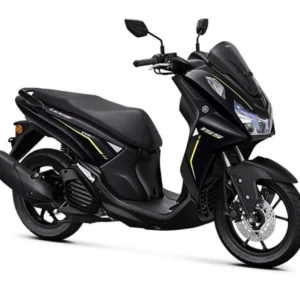
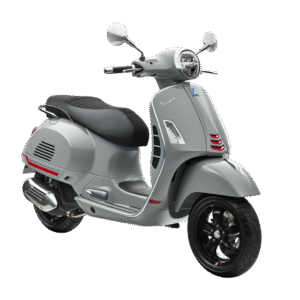
Now that you know where to go and what to see, it’s time to choose the perfect ride for your Bali adventure. At Bali Best Motorcycle, we offer a premium selection of scooters and motorbikes designed to make your journey comfortable, safe, and unforgettable.
Whether you’re cruising along coastal roads, navigating through rice terraces, or exploring hidden temples, we have the ideal motorcycle to match your adventure style and budget. Our fleet features well-maintained, reliable bikes ranging from automatic scooters perfect for beginners to powerful motorbikes for experienced riders.
- Wide Selection: Choose from our diverse range of scooters and motorbikes to suit every riding preference and skill level.
- Competitive Pricing: Enjoy transparent, affordable rates with no hidden fees—just great bikes at great prices.
- Quality Guarantee: All our motorcycles are regularly serviced and maintained to ensure your safety and comfort throughout your rental period.
- Easy Booking: Reserve your bike online in just a few clicks and pick it up hassle-free when you arrive.
Browse our complete catalogue of motorbikes and scooters to find your perfect match, or check out our transparent pricing to plan your budget. Your Bali adventure starts with the right ride—let us help you find it!